Urogynaecological physiotherapy is a specialised form of therapy that helps women dealing with discomfort and conditions in the pelvis, abdomen and genitourinary system. It encompasses both preventative care and support in treating pelvic floor dysfunctions.
Urinary incontinence, painful periods, discomfort during intercourse or difficulty getting back into shape after childbirth can significantly impact your well-being and daily life. You don’t have to accept them as normal or something you simply must live with.
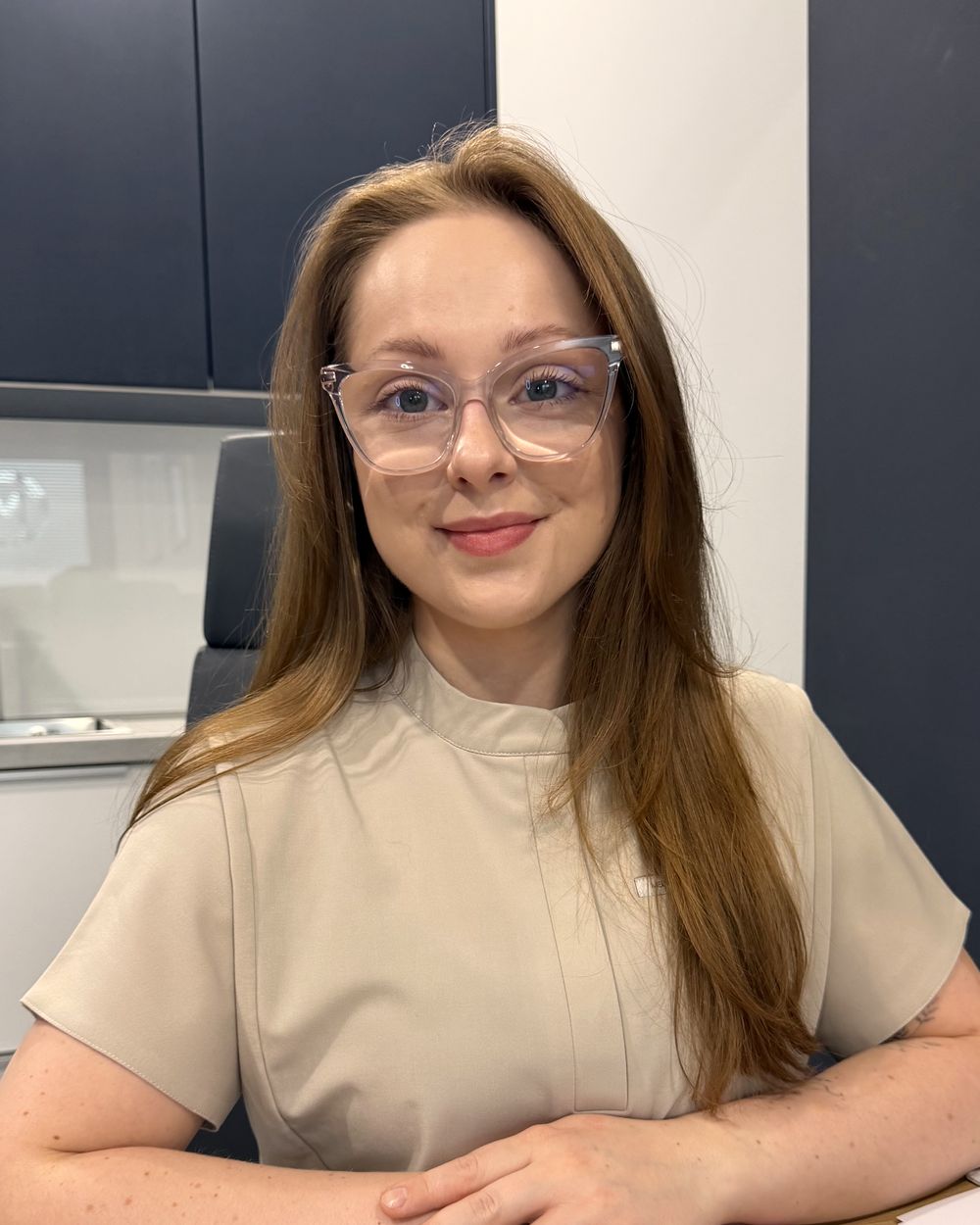
At PhysioCare in Gliwice, I offer personalised treatment based on a comprehensive consultation, functional assessment and modern physiotherapy methods. Every appointment takes place in an atmosphere of discretion, understanding and respect for your comfort.
How can I help you?
- Urinary incontinence when coughing, sneezing, laughing or exercising.
- Urinary urgency and frequent visits to the toilet.
- Weakness or excessive tension in the pelvic floor muscles.
- Pain during intercourse, vaginismus and difficulty with penetration.
- Painful periods and chronic pelvic pain.
- Symptoms associated with endometriosis.
- Pelvic organ prolapse.
- Preparation for childbirth and postnatal recovery.
- Diastasis recti.
- Scar therapy following Caesarean section, episiotomy or perineal tears.
- Returning to physical activity after pregnancy and childbirth.
- Rehabilitation following gynaecological and urogynaecological procedures.
What does therapy involve?
Depending on your needs, I use:
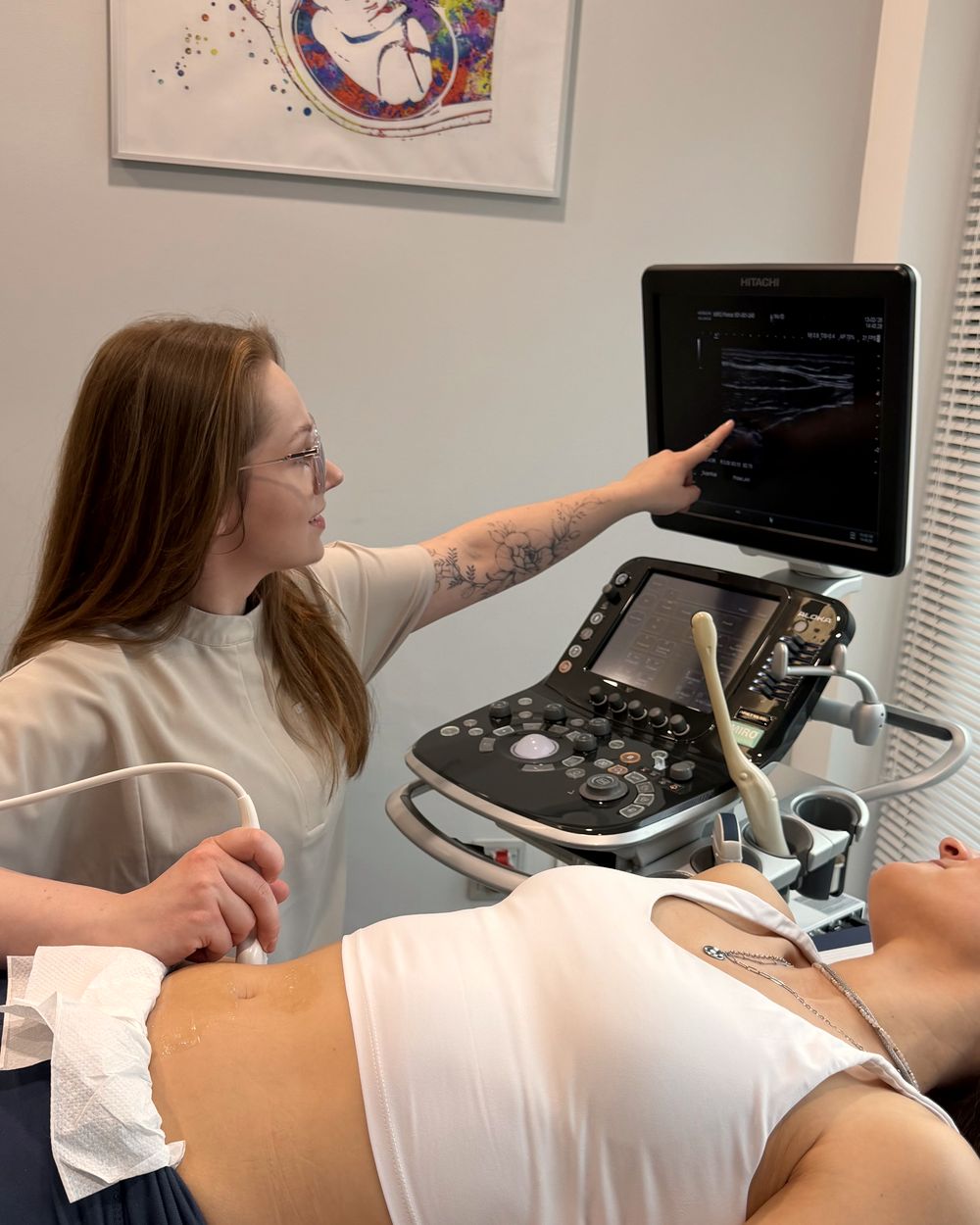
- Ultrasound
- allows the observation of muscle function, assessing their activation and control during exercises.
- Biofeedback
- provides feedback on pelvic floor muscle activity, making it easier to learn how to contract and relax them correctly.
- Electrostimulation
- used where indicated as a supportive measure, especially when voluntary muscle activation is difficult.
- Manual therapy
- carefully selected soft-tissue techniques to improve mobility and relieve discomfort.
- Tailored exercises
- supporting the strength, endurance, coordination and proper relaxation of the pelvic floor muscles.
The choice of methods depends on the assessment results, the nature of the issue and your needs. Not every patient requires every technique.